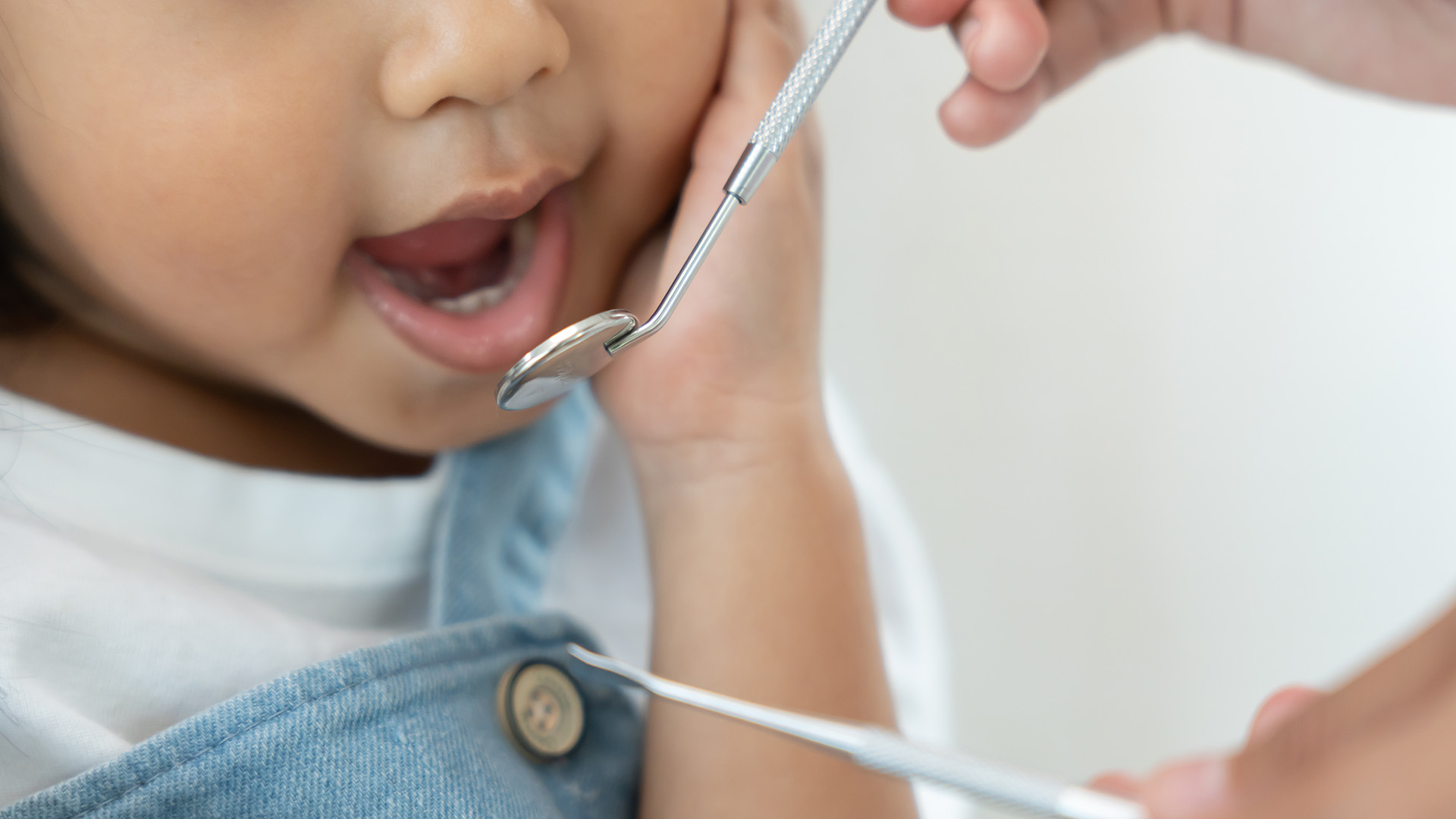
A child’s dental cleaning is a gentle, structured visit focused on prevention, confidence, and healthy habits. Knowing what happens during a child’s dental cleaning, before, during, and after the appointment, helps families feel prepared. Below, we explain how to get ready, what the cleaning includes, how we keep kids comfortable and safe, and how to care for their smile at home.
Before the Appointment: How Parents and Children Can Prepare
Arriving prepared makes the visit smoother and reduces stress for everyone. Bring your dental insurance card, a current medical history, and a list of your child’s medications, including vitamins and allergy treatments. For younger children, a small comfort item like a favorite stuffed animal can help the experience feel familiar.
Use simple, age-appropriate language to describe the visit. For preschoolers, try: “We’re going to see the tooth doctor to count and clean your teeth.” Avoid words that might sound scary. Set expectations such as sitting in a special chair, hearing a gentle humming sound from a toothbrush, and the chair moving up and down. For older kids, explain that the hygienist removes plaque and polishes teeth to prevent cavities, and that X-rays might be taken to check areas not visible to the eye. This kind of clear preview helps children understand what happens during a dental cleaning without surprises.
Schedule the appointment when your child is well-rested and not hungry, often morning or after a nap. A light snack and brushing beforehand is helpful, but avoid sugary drinks right before the visit. Plan to arrive 10 to 15 minutes early to complete forms and discuss any concerns. If your child has special healthcare needs, call ahead so the team can tailor accommodations.
What to Expect: Step-by-Step Dental Cleaning for Children
When you arrive, the team welcomes your child and reviews their medical and behavioral history, including allergies, medications, recent illnesses, and daily dental habits. Building trust is a priority. The hygienist will use friendly terms to explain the tools and steps and invite questions to help kids feel in control in a calm, predictable way.
The professional cleaning typically includes three key steps:
- Removal of plaque and tartar using gentle hand instruments; older children may also benefit from an ultrasonic scaler.
- Polishing with a kid-friendly flavored paste to smooth enamel and make it harder for plaque to stick.
- Flossing to clean between teeth and demonstrate proper technique.
When appropriate, a fluoride treatment, either a varnish or a gel, is applied to strengthen enamel and reduce the risk of cavities.
After the cleaning, the dentist performs a brief exam to check teeth, gums, bite, and jaw development. They also look for signs of cavities, enamel concerns, early orthodontic issues, or gum inflammation. X-rays may be recommended based on age, cavity risk, or specific concerns such as monitoring new molars or spotting cavities between teeth. The frequency of X-rays is individualized to minimize exposure while ensuring thorough care.
Comfort, Behavior Guidance, and Safety Measures
We prioritize comfort through clear communication and choice. The tell-show-do approach helps children anticipate each step: we explain what will happen, show the instrument, then perform the step gently. Positive reinforcement like praise, stickers, or a small reward builds confidence. Distractions such as music, videos, or guided breathing can make the visit feel shorter and calmer. Parents help by modeling calm behavior and celebrating small successes.
Safety and infection control are central to every visit. Instruments are sterilized according to CDC and OSHA guidelines, treatment areas are disinfected between patients, and clinicians wear protective equipment such as masks, gloves, and eyewear. Many practices continue to use enhanced ventilation and spacing measures. If your child has a cough, fever, or recent exposure to illness, call to discuss whether rescheduling is best.
In certain situations, such as significant anxiety, extensive treatment needs, or specific healthcare considerations, sedation may be discussed. Options range from nitrous oxide (laughing gas) to deeper sedation provided by a trained specialist. The dentist will review benefits, risks, and alternatives, and may recommend care with a pediatric specialist if that environment best supports your child. These discussions help ensure everyone understands what happens and any additional steps that may be needed for comfort.
After the Cleaning: Home Care, Follow-Up, and When to Call
Most children can eat and drink right away after a cleaning. If a fluoride varnish was applied, wait at least four hours before brushing and avoid very hot beverages or crunchy foods for the rest of the day to allow the fluoride to set. Mild gum tenderness can occur if there was significant plaque buildup; this usually resolves within a day. If sensitivity lasts longer than 48 hours, contact the office.
Daily home care is the foundation of a healthy smile:
- Infants and toddlers: Wipe gums and brush emerging teeth with a smear of fluoride toothpaste; parents should perform the brushing.
- Ages 3 to 6: Use a pea-sized amount of fluoride toothpaste and supervise brushing twice daily for two minutes; begin flossing once teeth touch.
- School-aged children: Brush twice daily focusing on all surfaces using gentle circular motions; floss daily to clean between teeth.
Encourage water between meals and limit snacking on sugary or sticky foods to reduce cavity risk.
Most children benefit from checkups every six months, though the schedule may vary based on individual risk. Call the dentist if you notice tooth pain, swelling, bleeding gums, mouth sores that do not improve within a week, trauma to the teeth, or changes in bite or jaw function. Ask about preventive options such as dental sealants for molars and periodic fluoride treatments; both are proven to lower cavity risk and support long-term oral health. Reinforcing at home, brushing, flossing, and fluoride use, helps maintain the benefits of each visit.